古民家改修プロジェクト / Kominka Renovation Project
2018- 2022 埼玉県飯能市

Concept
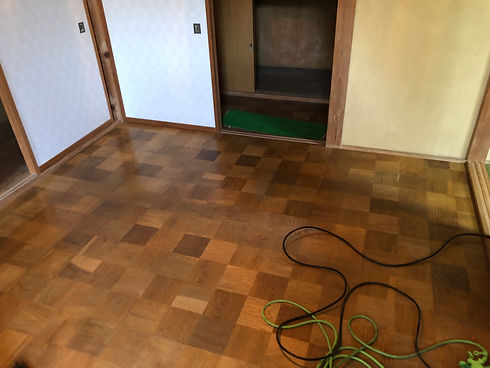
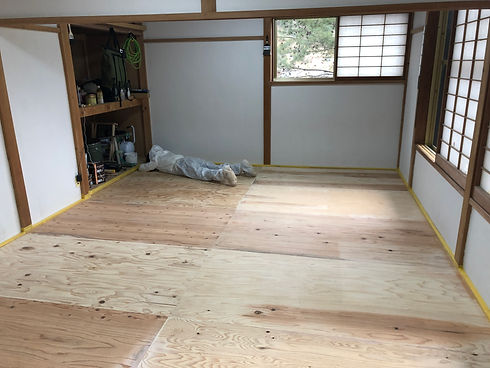
埼玉県飯能市の山間部にある古民家を対象に、約5年にわたり、一人で改修を行ってきたプロジェクトである。
建物の構造や立体物に対する関心は以前からあったものの、図面や理論だけでは掴みきれない部分が多く、その疑問を解消するために、実際に手を動かす実践を選択した。
壊し、組み直し、素材と向き合う工程を通して、空間や構造を身体的に理解していくことを目的としている。
改修を継続する過程で、近隣住民との関わりが自然と生まれ、制作行為が個人の内側にとどまらず、地域との関係性の中で展開していく感覚を得るようになった。絵画制作とは異なる文脈で、人や場所とつながり、新たなコミュニティが立ち上がっていく経験は、本プロジェクトの重要な側面となっている。
当初は純粋に個人的な試行として始まった改修は、次第に周囲の環境や人々と結びつき、一つの行為から複数の事象が連鎖的に広がっていった。最初は単なる工作に過ぎなかったものが、時間の蓄積とともに、地域との関係性を育む活動へと変化していく。
その過程そのものが、本プロジェクトにおける重要な成果であり、制作と生活、空間と人との関係を再考する実践となっている。
Here’s a polished English version suitable for a Projects section on a website, keeping the tone reflective and project-oriented:
This project documents the renovation of a traditional Japanese house located in the mountainous area of Hanno City, Saitama Prefecture, carried out single-handedly over a period of approximately five years. While I had long been interested in architectural structures and three-dimensional forms, many aspects remained difficult to grasp through drawings or theory alone. In order to address these uncertainties, I chose a hands-on approach, learning through direct engagement with the building itself. By dismantling, reconstructing, and working closely with materials, the project aims to develop a bodily understanding of space and structure.
As the renovation progressed, interactions with local residents naturally emerged, and the act of making gradually extended beyond a solitary practice into one embedded within the surrounding community. Unlike my painting practice, this process fostered a different kind of relationship—one in which people, place, and shared time formed a new sense of connection. The experience revealed how creative action can give rise to unexpected forms of community.
What began as a purely personal experiment evolved into a multifaceted activity, linking the physical environment with human relationships. Through the accumulation of time and effort, what initially appeared to be simple construction work transformed into a meaningful practice that cultivated ties with the local area. The process itself stands as a central outcome of this project, offering a space to reconsider the relationship between making and living, space and people.